News and Events
Strengthening MEAL Capacity among Local CSOs: From Learning to Action 2026-09-30 13:29:31 |
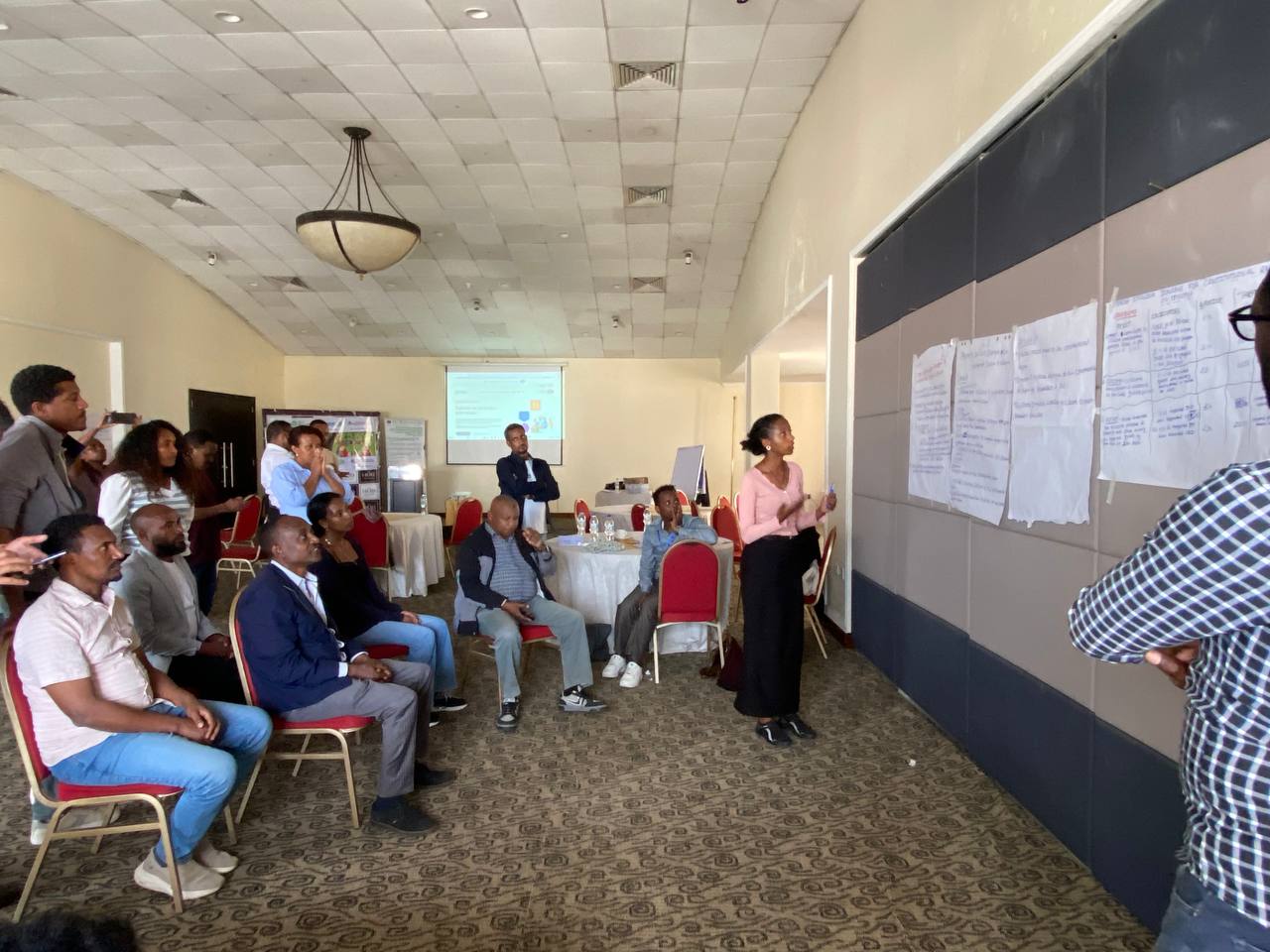
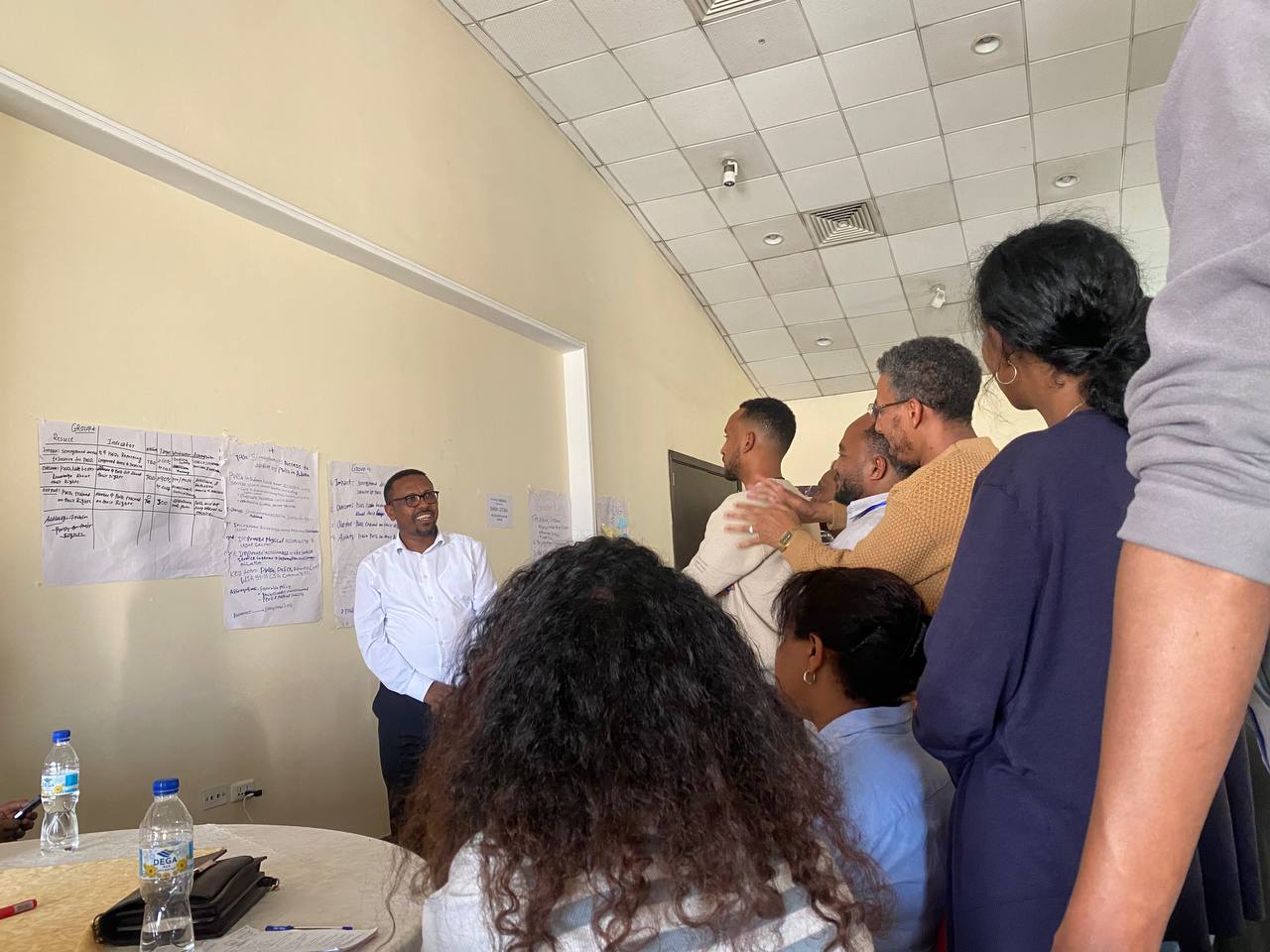
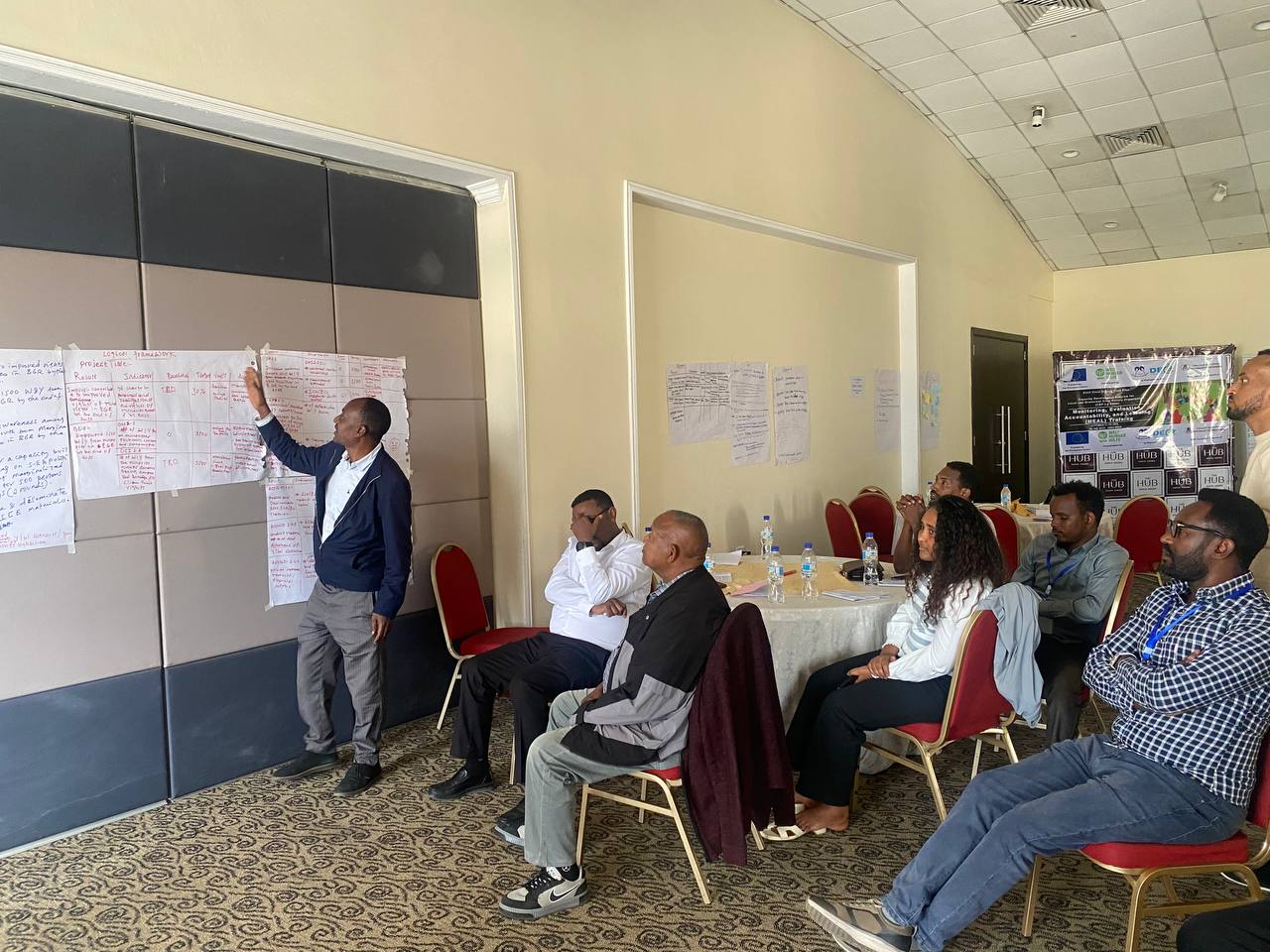
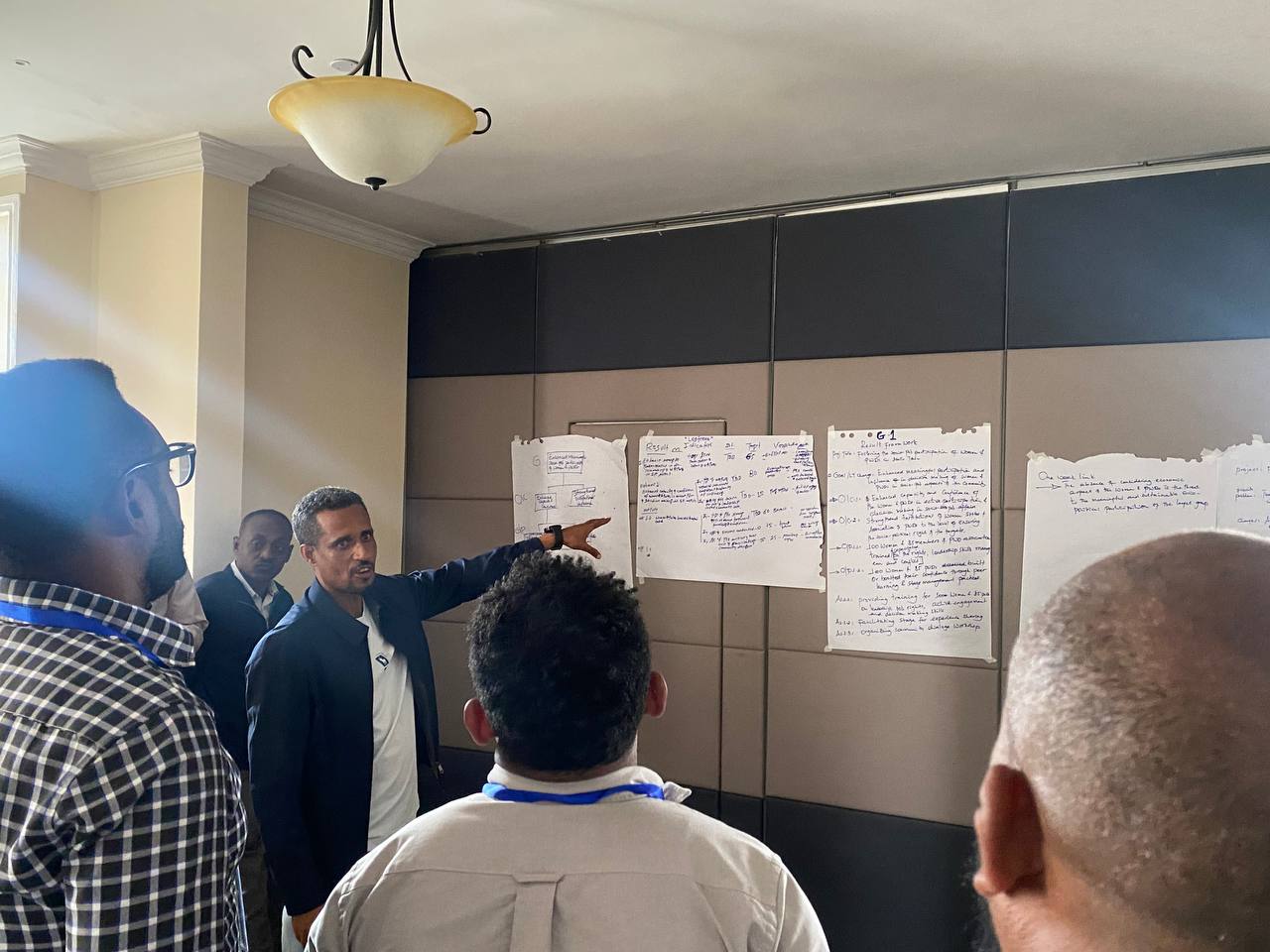
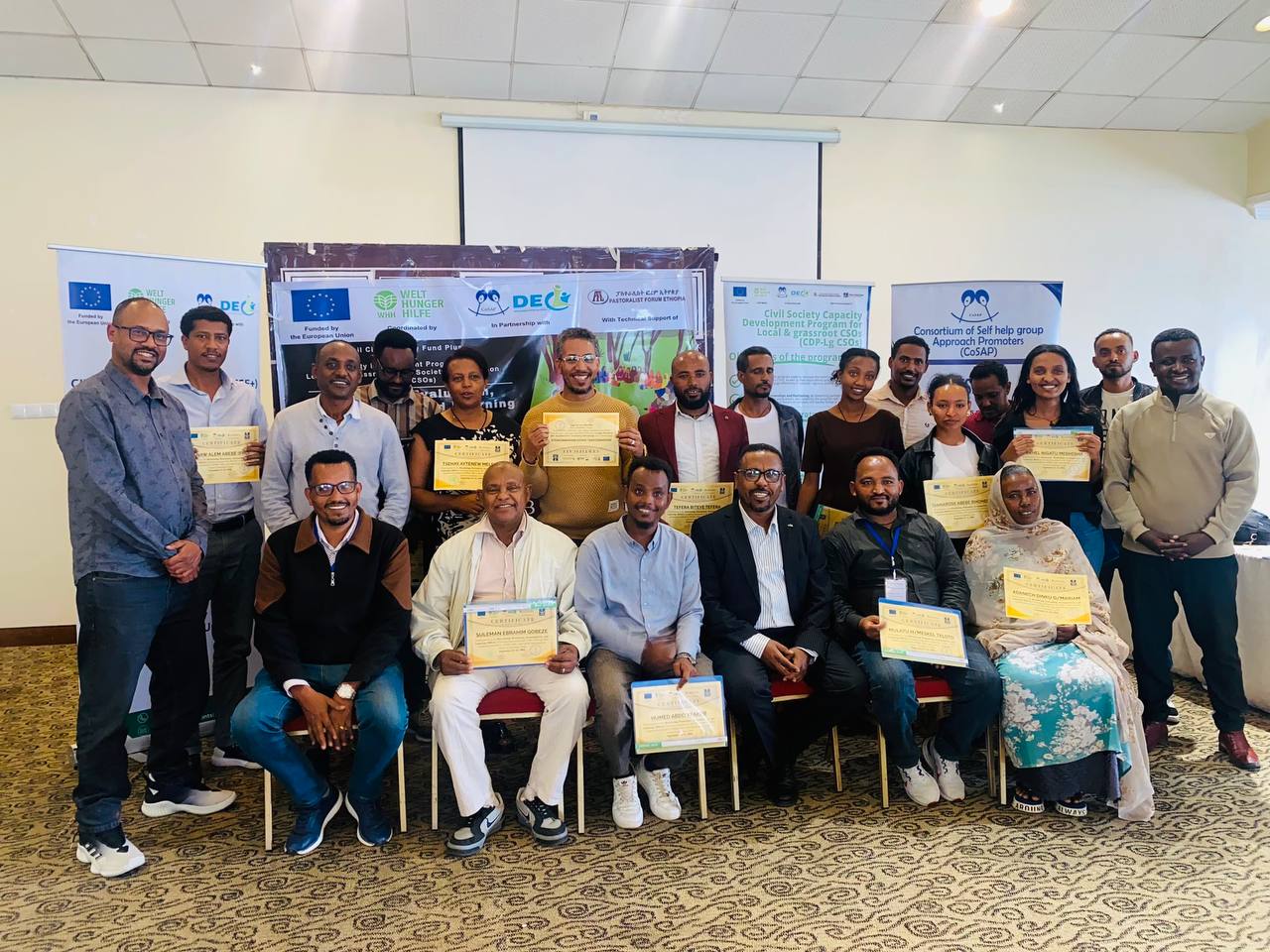
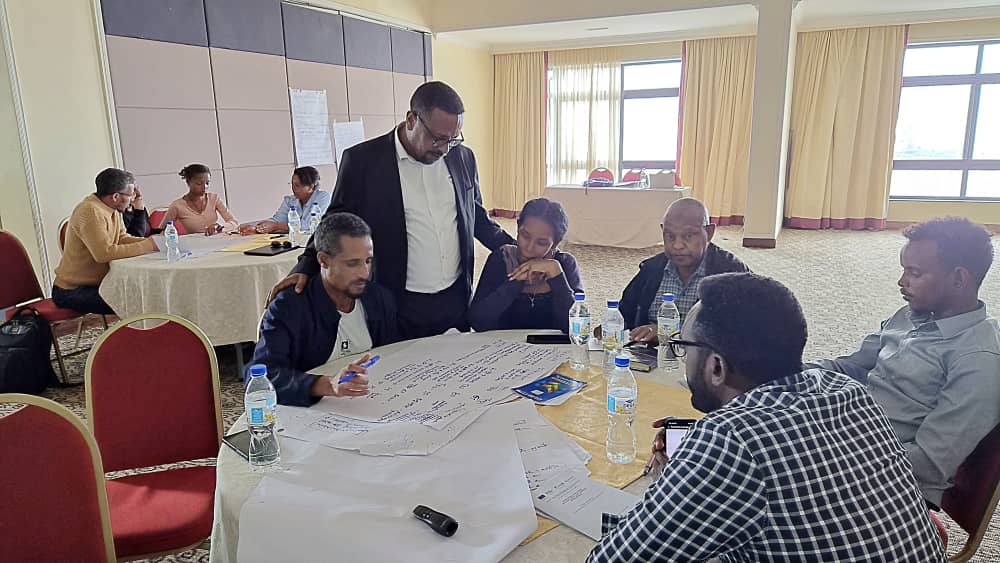
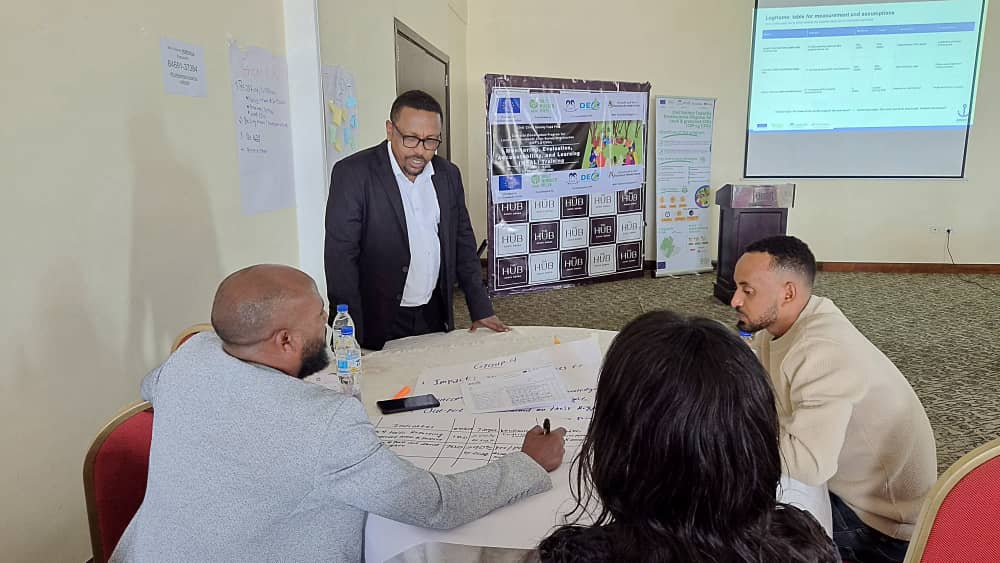
Anchor supported 27 civil society organisations (CSOs) to translate organisational capacity findings into practical improvements in monitoring, evaluation, accountability and learning (MEAL). From 21 to 25 September 2026, Anchor delivered a five-day practical and participatory MEAL training for local and grassroots CSOs in Addis Ababa. The training was delivered for Welthungerhilfe (WHH) under the European Union-funded Civil Society Fund Plus (CSF+) Programme, implemented by WHH in partnership with the Consortium of Self-Help Group Approach Promoters (CoSAP) and the Development Expertise Centre (DEC). Building on organisational capacity evidence The training formed part of the CSF+ Programme’s broader organisational capacity-strengthening framework. Findings from the Organisational Capacity Assessment and a rapid pre-training needs assessment informed the design, focusing the training on participants’ practical MEAL priorities. The assessments identified gaps in MEAL systems, data management, documentation of results and lessons, evidence-based reporting, monitoring and evaluation, and the use of evidence for learning and decision-making. By linking assessed gaps with targeted learning, practical tool development and concrete improvement actions, the training responded to participants’ actual needs rather than applying a standard package. Practical learning for partner CSOs Representatives from 27 partner CSOs participated, bringing together management, programme and MEAL perspectives. Across the five days, participants worked on project cycle management, monitoring, evaluation, accountability, learning, Theory of Change, results frameworks, logframes, Specific, Measurable, Achievable, Relevant and Time-bound indicators, reporting, data quality, data management, digital MEAL and organisational MEAL systems. The sessions connected core concepts with the practical realities of participants’ organisations. The programme combined concise technical inputs with practical exercises, real-life CSO cases, group work, simulations, peer learning, tool-development clinics, data-quality exercises, reporting practice and organisation-specific action planning. Participants moved from understanding concepts to applying them in their own organisational contexts. Moving from data to decisions A central principle of the training was that MEAL should go beyond collecting and reporting information. Participants practised interpreting evidence for learning, accountability and management decisions, adapting implementation where needed, and following up agreed actions. Practical work covered monitoring and action tracking, evaluation questions, feedback mechanisms, results frameworks, indicators, reporting and data-quality controls. Priority areas identified through the organisational capacity and needs assessments included Community-Led Monitoring, evaluation, reporting, data quality, data analysis and visualisation, KoBoToolbox, Open Data Kit, and Excel-based monitoring and reporting. Translating learning into organisational actionThe programme concluded with organisation-specific 30/60/90-day MEAL improvement plans. Participants identified priority gaps, agreed realistic actions and committed to discussing the plans with organisational leadership to build shared understanding and strengthen ownership. After the training, finalised plans will be shared with Anchor for follow-up and technical support. Each plan will set out responsibilities, timelines, evidence of completion and review points, giving participating CSOs a practical basis for tracking progress and sustaining improvements beyond the training. The training therefore closed with more than strengthened knowledge and practical skills: participating CSOs also developed clear, organisation-owned actions to implement, review and refine over time. Anchor’s approach to capacity strengtheningThrough this assignment, Anchor supported participating CSOs to embed MEAL more consistently in organisational practice. Anchor’s approach connects organisational assessment with targeted capacity strengthening, practical application, evidence use and adaptive management, helping organisations turn identified gaps into realistic actions and sustained improvement. Anchor appreciates the collaboration of WHH, the European Union, CoSAP, DEC, the CSF+ Programme team and all participating CSOs throughout the assignment. Anchored in Resilience. Transforming Evidence into Action. |
       |